3 Signs You May Need a Deep Teeth Cleaning
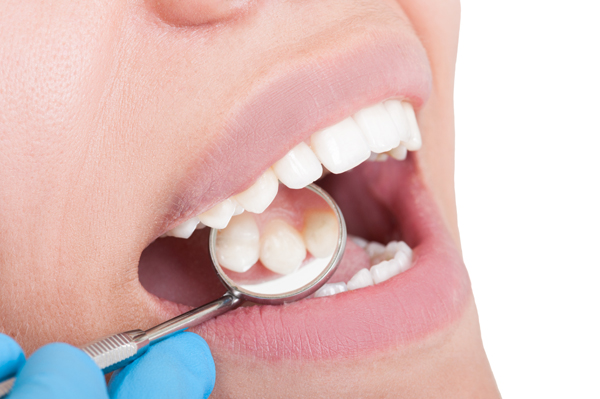
Deep teeth cleaning is a specialized dental procedure that removes plaque and tartar buildup beneath the gumline. It is recommended for patients with early to moderate periodontal disease or those at risk of developing gum infections. Unlike routine cleanings, deep teeth cleanings target bacteria that contribute to gum disease and bone loss. Recognizing the signs that indicate a need can help prevent serious oral health complications.
1. Persistent gum inflammation and bleeding
Healthy gums should appear firm and pink, with no signs of swelling or redness. When gums become inflamed, tender, or bleed during brushing or flossing, they may indicate gingivitis or early-stage periodontal disease. Inflammation is often caused by bacteria accumulating beneath the gum line, leading to infection and tissue damage.
Deep teeth cleaning removes harmful bacteria and tartar deposits contributing to gum inflammation. Addressing the infection at its source helps prevent the progression of gum disease and restores gum health. If left untreated, inflamed gums can recede, exposing tooth roots and increasing the risk of tooth sensitivity and decay.
2. Persistent bad breath or unpleasant taste
Chronic bad breath, also known as halitosis, is often caused by bacteria trapped in deep gum pockets. Even with proper brushing and flossing, bacteria can accumulate beneath the gums, producing foul-smelling gases that lead to persistent bad breath. An unpleasant taste in the mouth may also indicate the presence of infection or decaying food particles that regular cleaning methods cannot reach.
Deep teeth cleaning eliminates these bacteria by thoroughly scaling and root planing the affected areas. Scaling removes plaque and tartar from below the gum line, while root planing smooths the tooth roots, making it more difficult for bacteria to accumulate. Patients who undergo deep teeth cleaning often experience fresher breath and improved oral hygiene.
3. Gum recession and deep pockets around teeth
Gum recession occurs when the gums pull away from the teeth, exposing the roots and creating pockets where bacteria can thrive. As these pockets deepen, they become more challenging to clean with routine oral care. If left untreated, deep gum pockets can lead to further tissue and bone loss, increasing the risk of tooth mobility and eventual tooth loss.
Deep teeth cleaning helps manage gum recession by reducing bacterial buildup and allowing the gums to heal. By eliminating infection and promoting reattachment of the gums to the teeth, this procedure helps stabilize the oral environment and prevents further deterioration of gum tissue.
Get a deep teeth cleaning today
Recognizing the early signs of gum disease can help prevent serious oral health complications. Persistent gum inflammation, chronic bad breath, and gum recession indicate that deep teeth cleaning may be necessary. This procedure removes bacteria, reduces gum pocket depth, and promotes long-term oral health. Patients experiencing these symptoms should seek professional evaluation to determine if deep teeth cleaning is the appropriate course of treatment. For more information, schedule a consultation visit today at Taylor'd Smiles.
To schedule a consultation, request an appointment on our website at https://taylorsmiles.net or call Taylor'd Smiles at (704) 812-1206 for an appointment in our Mooresville office.
Check out what others are saying about our dental services on Yelp: Root Scaling and Planing in Mooresville, NC.
Related Posts
Gum disease treatment is essential for stopping painful symptoms and preventing serious oral health problems. Gum disease can lead to swollen gums, bleeding, bad breath, and even tooth loss. The good news is that early treatment may reverse the condition and restore gum health. Understanding the treatment options that can help protect your smile.Gum disease,…
Periodontal disease can be very surprising to some people. It is common to see people worry if they hurt their hand, and it bleeds. Yet, not many people think it is a big deal when their gums bleed while flossing or brushing. In a 1999 study conducted by the U.S. National Institute of Health, researchers…
If your dentist has diagnosed you with gum disease, you should seek treatment right away. If you do not address this problem quickly, it can become increasingly more serious. The faster you identify this condition, the more likely you are to treat it effectively. With the right intervention at the right time, you can reverse…
Like cavities, gum disease is a common dental dysfunction that affects people of all ages. If you are suffering from gum disease, you should not put off getting treatment. Your general dentist has the knowledge and training to relieve the symptoms of this disease. In some cases, the dentist might be able to reverse its…