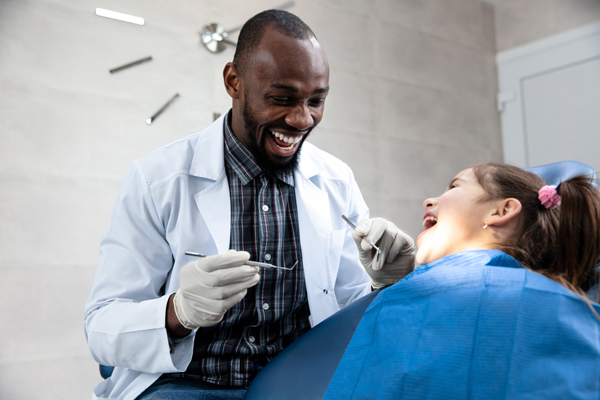
A family dentist serves as a dental partner for every member of the family. However, it is normal for oral health needs to change as the body ages. Many seniors manage chronic conditions, such as chronic dry mouth, thinning enamel, and gum recession, that require more monitoring than in their younger years. With senior dental care from a family dentist, older patients can continue to maintain a high quality of life.
How dental care can change as people age
The aging process can affect the mouth in several distinct ways. A family dentist will tailor care to the changing needs of each patient. Common examples include:
Cleaning and maintaining the smile
Over the years, teeth may develop worn edges, microscopic cracks, or shifts in the bite that can cause discomfort. The gums may also pull away from the teeth (gum recession), exposing the roots and leaving them more prone to decay. As a result, the patient's teeth may feel more sensitive to extreme temperature changes.
Fortunately, with regular dental visits, a family dentist can keep the teeth in good shape. During an exam, they can remove plaque and tartar before they progress into decay. Then the dentist can repair any cracked or chipped teeth they find with common restorations, such as fillings and crowns. For receded gums, they may recommend gum grafting. However, improved oral hygiene can also help if the recession is minor.
Limiting the oral health effects of certain medications
A family dentist considers medication use when providing dental care for seniors. Many prescriptions, including those for blood pressure and cholesterol, can cause a side effect called dry mouth. When the mouth is dry, there is not enough saliva to neutralize acids and rinse away food particles, increasing the patient's risk of tooth decay. The dentist can help curb this risk with fluoride varnish treatments or prescription saliva substitutes. Alternatively, more frequent dental cleanings can also help mitigate the effects of dry mouth.
Monitoring aging restorations and dental work
Most senior patients have had dental work done at some point, such as crowns placed decades ago. Over time, any restoration, like natural teeth, develops wear, leakage at the margins, or structural cracks that allow bacteria to seep underneath. Fortunately, the family dentist can monitor these restorations and repair or replace them as needed.
Replacing teeth with dentures, bridges, and implants
Tooth replacements are a common part of senior dental care. The family dentist can provide dentures, bridges, or implants to restore a full smile.
Most patients tend to have more than one option for tooth replacement. The dentist can help patients determine which would be best suited to their oral health needs. For example, both implants and dentures can replace an entire arch of teeth. Dentures are the more affordable option, while implants offer a more stable, long-lasting solution.
Talk to a family dentist about senior dental care
Every member of the family deserves quality dental care. For senior dental care in Mooresville, contact the Taylor'd Smiles team today. We can provide both preventive and restorative care. No matter our patients' age, our goal is to help them smile comfortably and confidently.
Request an appointment here: https://taylorsmiles.net or call Taylor'd Smiles at (704) 812-1206 for an appointment in our Mooresville office.
Check out what others are saying about our dental services on Yelp: Family Dentist in Mooresville, NC.
Related Posts
Getting a professional dental checkup and cleaning every six months is not just important for adults. Children need this type of care too, and a family dentist can provide it. There are several reasons parents should schedule routine dental appointments for their children early in life. Doing so can help kids maintain good oral health…
Dental visits are an important component of a comprehensive oral health care routine. Whether your upcoming family dentist appointment is for a regular cleaning and checkup or a more involved procedure, there are a handful of things you can do in advance to prepare. The most important thing you can do for your dental appointment is…
Knowing when you need an emergency dentist can help save teeth, preserve oral health, and prevent serious complications. From sudden tooth pain to dental trauma, understanding the signs that require immediate attention helps ensure timely and effective care. Learning more about the role of an emergency dentist can prepare patients to act quickly in critical…
An emergency dentist is indispensable. You can never know when a dental emergency, such as a broken tooth, will happen. Panic may overwhelm you, but it should not. One of the most common dental emergencies is a broken tooth. If you want to see an emergency dentist for your broken tooth, here are the things…